
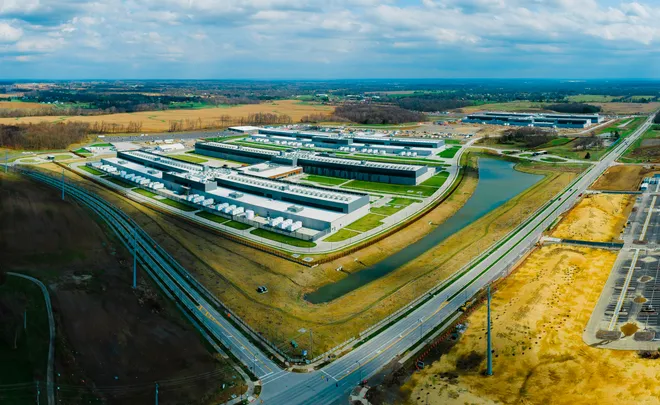
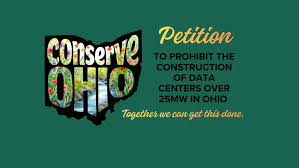
A growing grassroots coalition is working to halt the rapid spread of large data centers across Ohio through a proposed constitutional amendment. The group, Ohio Residents for Responsible Development, aims to ban new facilities exceeding 25 megawatts of power demand per month. This effort, which unites farmers, environmentalists, Republicans, Democrats, and small business owners, reflects widespread concern over the industry’s impact on rural communities and the state’s resources. Organizers began collecting signatures in early April 2026 after clearing the Ohio Ballot Board, with a July 1 deadline to gather roughly 413,000 valid signatures from at least 44 of Ohio’s 88 counties to reach the November ballot.
Opponents highlight several key issues: massive electricity consumption that could strain the grid and raise residential rates, heavy water usage for cooling (potentially millions of gallons daily), permanent loss of prime farmland, noise and light pollution, and diesel backup generators that contribute to air quality concerns. With Ohio already home to about 200 data centers — the fifth-highest total in the nation, concentrated in central Ohio — residents worry that unchecked growth prioritizes tech giants over local needs. Many communities have responded with temporary moratoriums, and public hearings have drawn packed crowds voicing frustration.
The movement has gained momentum through volunteer-driven efforts: residents printing petitions at home, traveling county-to-county, and standing outside in all weather to collect signatures. Recent rallies, including a June 1 gathering at the Ohio Statehouse, underscore the bipartisan nature of the pushback. While data centers bring tax revenue and support AI infrastructure, critics argue the economic benefits are overstated compared to long-term costs borne by everyday Ohioans.
As the signature deadline approaches, the campaign faces an uphill battle against industry influence and pro-development interests. Success would place the issue directly before voters in November 2026, potentially reshaping Ohio’s approach to tech-driven growth. For more information or to get involved, residents can visit the group’s petition resources through the Ohio Attorney General’s office or local coalition pages. This effort highlights a broader national conversation about balancing innovation with community and environmental protection.